
Cary Orthodontics: Braces, Clear Aligners & Treatment for All Ages
What Is Orthodontics? A Cary Guest's Guide
Orthodontics is the dental specialty focused on diagnosing and correcting misaligned teeth and jaws. Using braces, clear aligners, or growth-guiding appliances, an orthodontic smile team moves teeth into proper position and improves how the upper and lower jaws fit together. Treatment improves bite function, oral health, and appearance for children, teens, and adults.
At Southern Smiles and McNutt Orthodontics, Cary orthodontics care starts with an exam, digital records, and a uniquely tailored plan built around braces, clear aligners, or growth-guiding appliances. Nobody gets a cookie-cutter version of somebody else's treatment.
Families across Cary, NC come to Southern Smiles and McNutt Orthodontics for one simple reason: they want a healthy bite and a smile that feels like their own. Our smile team, led by Dr. Matthew McNutt, has been recognized as a 2025 Diamond Awards Gold Winner for Best Orthodontist by 5 West Magazine, and a WRAL Voters' Choice Awards Winner. That recognition comes from our guests, which means a lot to us.
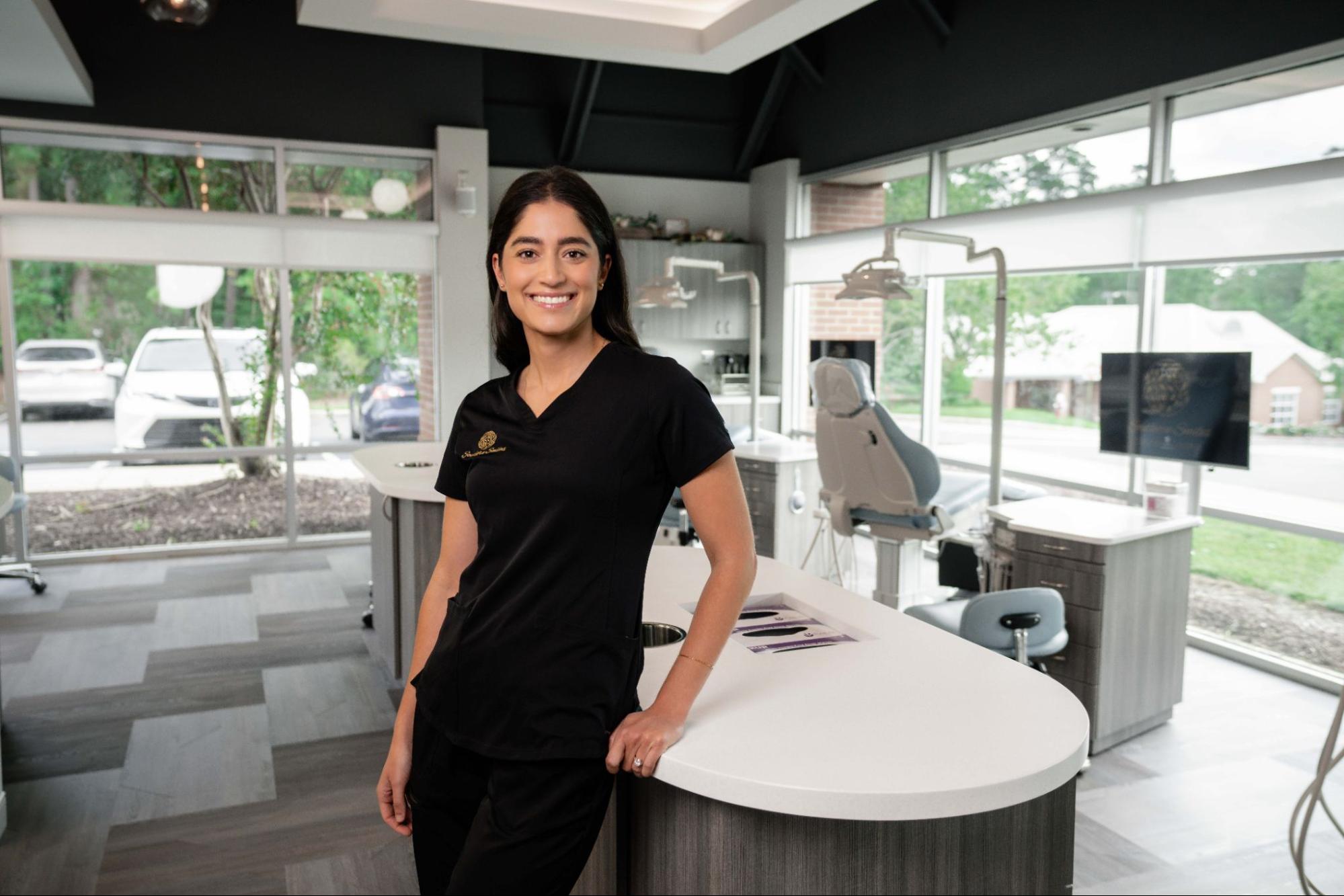
Why guests seek orthodontic care
Most people who walk through our doors describe one of these concerns:
- Crowding, where teeth overlap because there isn't enough room in the arch
- Gaps or spacing between teeth that affect appearance and food trapping
- Overbite, when upper front teeth sit too far over the lower teeth
- Underbite, when the lower jaw sits ahead of the upper jaw
- Crossbite, where upper and lower teeth close in the wrong relationship
- Jaw soreness, clicking, or uneven wear on the biting surfaces
What happens at your first visit
Your first visit with our Cary smile team is a free consult, so there's no financial barrier to getting answers. We take a look at your teeth, jaws, and facial balance, then talk through what we see in plain language.
If treatment makes sense, we gather records: digital photos, a low-radiation panoramic X-ray, and a digital scan of your teeth (no goopy impression trays). From there, we build your uniquely tailored plan and review timing and appliance options before you commit to anything. You'll leave knowing your choices. That's how southern hospitality works around here.
How Do Clear Aligners Work in Cary?
Clear aligners are removable, custom-made plastic trays that shift teeth a small amount at a time. You wear each set 20 to 22 hours a day, removing them only to eat, drink anything other than water, brush, and floss. Our Cary orthodontics team designs the full tray series digitally before you ever start.
The step-by-step process
- Digital scan. We capture a 3D model of your teeth in minutes, comfortably and without impression material.
- Plan design. Our smile team maps every tooth movement and shows you a preview of the projected result before a single tray gets manufactured.
- Tray series. Your aligners arrive, and you change to a new set on the schedule we set together, usually every one to two weeks.
- Check-ins. Short visits every 6 to 10 weeks. We confirm teeth are tracking the way the plan predicted.
- Refinements. Many cases finish with a small second series of trays to polish the details.
- Retention. Once teeth land where we want them, retainers hold your results long term.
Who makes a great aligner candidate
Aligners handle mild to moderate crowding, spacing, and relapse cases beautifully, especially in guests whose teeth shifted after wearing braces years ago. Teens and adults with steady habits tend to love them. Complex bite corrections, severely rotated teeth, and cases needing significant vertical movement often respond better to fixed braces.
The benefits guests mention most
- Trays come out for meals, so no food restrictions
- Brushing and flossing stay simple and normal
- The look is discreet at work, at school, and in photos
- Fewer emergency visits since there are no brackets or wires to break
- Comfortable smooth edges and gradual, gentle movement
Most aligner cases finish in roughly 12 to 24 months, though shorter and longer plans both exist depending on how far teeth need to travel. One honest caveat: aligners only work when they're in your mouth. Compliance drives the timeline more than anything else, and our Cary team will coach you the whole way.
Metal Braces: The Proven Standard for Complex Cases
Metal braces remain the workhorse of orthodontics because they can do things nothing else can. Small brackets bond to each tooth, and a thin archwire connects them. That wire wants to return to its original shape, and as it does, it carries teeth along with it in three dimensions.
Today's brackets are far smaller and smoother than the ones parents remember. Our Cary smile team pairs them with light, flexible wires that move teeth steadily and comfortably.
Where fixed braces shine
Braces handle the cases that need real control: rotated canines, teeth that must be moved up or down in the bone, significant crowding requiring space creation, and bite corrections that call for elastics or auxiliary appliances. Guests with a mix of baby and permanent teeth often do best with fixed appliances too, since nothing depends on remembering to put a tray back in.
What adjustment visits look like
Members of our tooth mover team typically visit us every 4 to 8 weeks. Each appointment is short and predictable:
- We check progress against the plan we built together
- The archwire is changed or adjusted, and ties are replaced
- Elastics, springs, or other attachments are added if needed
- You get fresh color bands and a quick hygiene check
Caring for braces at home
Skip anything hard, sticky, or chewy: ice, hard candy, caramel, popcorn kernels, whole apples, and bagels straight from the bag. Cut crunchy foods into pieces. Brush after every meal, angling the brush above and below each bracket, and use a floss threader or water flosser nightly. If a bracket rubs, press a pea-sized piece of orthodontic wax over it for relief and call us at 919-887-6350 so we can take a look.
Color bands are the fun part. Kids and teens in Cary pick new combinations at every visit, from Wolfpack red to Tar Heel blue to holiday themes. It's a small thing that makes the whole experience feel like theirs.
What Are Clear Braces (Ceramic)? A Discreet Fixed Option
Ceramic braces work exactly like metal braces, but the brackets are made from a tooth-colored material that blends with your enamel. From conversational distance, most people notice your smile before they notice your braces. Adults and image-conscious teens in Cary often choose them when they want fixed-appliance results without removable trays.
| Feature | Metal Braces | Clear (Ceramic) Braces |
|---|---|---|
| Visibility | Silver, clearly visible | Blends with enamel, low profile |
| Durability | Highest, very break-resistant | Strong, slightly more prone to chipping |
| Staining risk | Brackets don't stain | Ties can pick up color from dark foods |
| Case complexity | Handles the most complex corrections | Handles most cases well |
| Contact sports | Excellent with a mouthguard | Excellent with a mouthguard |
Keeping ceramic brackets looking clear
The brackets themselves resist staining. The elastic ties that hold the wire can absorb pigment, so a few habits help:
- Limit coffee, black tea, red wine, curry, and tomato-heavy sauces
- Rinse with water right after eating or drinking anything dark
- Brush at least twice daily and after meals when you can
- Come in on schedule so ties get changed before discoloration sets in
- Skip whitening products until treatment finishes, since teeth whiten unevenly around brackets
Who should choose something else
Guests with a deep bite that brings lower teeth into hard contact with upper brackets may chip ceramic, so our smile team often recommends metal on the lower arch, ceramic on top. Younger children and heavy contact-sport athletes usually do better with metal as well. During your free consult in Cary, we'll tell you honestly which option fits your bite.
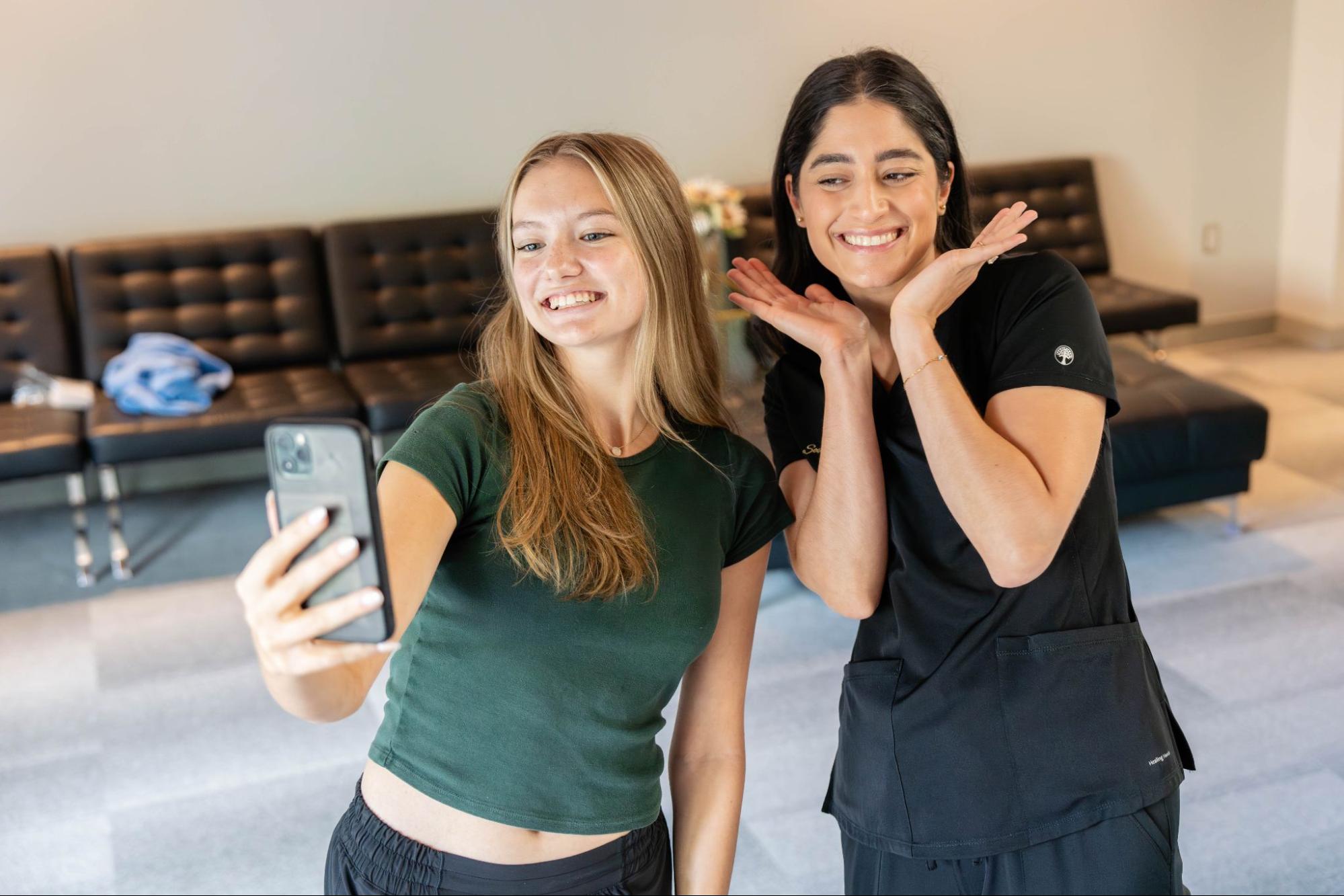
Orthodontics for All Ages: Kids, Teens, and Adults
Great timing makes treatment shorter, simpler, and more comfortable. That's why Southern Smiles and McNutt Orthodontics keeps eyes on growing smiles long before anyone talks about braces, and why we welcome adults who decided this is finally their year.
Children: an evaluation by age 7
According to the American Association of Orthodontists, every child should have an orthodontic evaluation by age 7. By that age, the first permanent molars and incisors have usually come in, which lets us spot crossbites, crowding patterns, and jaw growth concerns early. An early exam rarely means early braces. More often it means we watch and wait until the right moment.
Phase 1 interceptive treatment
When early care is warranted, Phase 1 typically involves a limited appliance for several months and can:
- Widen a narrow upper jaw to correct a crossbite
- Create space so crowded permanent teeth can erupt properly
- Guide jaw growth while it's still highly responsive
- Reduce the chance of trauma to protruding front teeth
- Address thumb, finger, or tongue habits affecting the bite
Teens: the classic treatment window
Most teens start braces or aligners once the permanent teeth have erupted, usually between ages 11 and 14. Jaw growth is still available to work with, which makes bite correction more efficient. Teens also love the details: color bands, aligner options, and short visits that fit around practice and rehearsals.
Adults: it's absolutely not too late
Teeth move at any age. Adults come to our Cary practice for crowding that worsened over time, relapse after childhood braces, bite wear, and alignment needed before crowns, bridges, or implants. Working with your general dentist, our smile team sequences orthodontics so restorative work lands on teeth that are already in the right place. This is the heart of improving smiles & increasing confidence at any age, a brand-approved promise we make to every guest who asks whether they've waited too long.
Care under one roof
Southern Smiles and McNutt Orthodontics pairs orthodontics with pediatric dentistry, so families handle more in fewer trips. Dr. Narineh Panoosian and our pediatric dental experts provide exams and cleanings, fluoride, sealants, restorative treatment, dental trauma care, and sedation dentistry for guests who need extra support to relax. Our practice has been honored as a 2025 Diamond Awards Silver Winner for Best Pediatric Dentist by 5 West Magazine.
Bite Problems We Treat and Why Correction Matters
Malocclusion means the teeth and jaws don't meet the way they should. Common types include overbite, underbite, crossbite, open bite, crowding, spacing, and protrusion. Left alone, a poor bite can wear enamel unevenly, strain jaw muscles, make chewing harder, and create hard-to-clean areas where decay and gum problems start.
The bite issues our Cary smile team sees most
- Overbite (deep bite): upper front teeth cover the lowers too far, sometimes biting into the gum tissue
- Underbite: lower teeth sit ahead of the uppers, often tied to jaw growth patterns
- Crossbite: one or more upper teeth close inside the lower teeth, which can shift the jaw sideways
- Open bite: front teeth don't touch when the back teeth close, making biting into food difficult
- Crowding: not enough arch space, leading to overlap, rotation, and plaque traps
- Spacing: gaps from small teeth, missing teeth, or a large jaw relative to tooth size
- Protrusion: front teeth angled forward, which raises the risk of chips and trauma
Why correction matters beyond appearance
Teeth that hit unevenly wear down faster, and worn enamel doesn't grow back. Misaligned bites can also contribute to jaw muscle soreness, headaches, tooth sensitivity, and speech or chewing difficulty. Crowded, overlapping teeth are genuinely harder to clean, which raises decay and gum disease risk over a lifetime. Good oral health is essential to improving not just a smile, but overall physical and mental health.
How each issue is typically treated
| Bite Issue | Common Approach |
|---|---|
| Mild crowding or spacing | Clear aligners or braces |
| Deep overbite | Braces with bite ramps, elastics, or aligner attachments |
| Underbite | Growth-guiding appliances in children; braces with elastics in teens and adults |
| Crossbite | Palatal expander, then braces or aligners |
| Open bite | Braces with elastics, habit appliances, aligners in select cases |
| Severe crowding | Braces, sometimes with expansion or tooth removal |
When accidents happen
Chipped, loosened, or knocked-out teeth need fast attention. Southern Smiles and McNutt Orthodontics coordinates dental trauma care and orthodontic emergencies together, so a broken bracket, a poking wire, or an injured front tooth gets handled by one team that already knows your child's history. Call our Cary practice at 919-887-6350 and we'll get you in.
Clear Aligners vs Metal Braces vs Clear Braces: Which Is Right for You?
Choose clear aligners for discretion and removability in mild to moderate cases. Go with metal braces for the most complex bite corrections, rotations, and vertical tooth movement. Ceramic clear braces make sense when you want the predictability of fixed appliances with a lower-profile look. Our Cary orthodontics team matches the appliance to your bite, your schedule, and your life.
| Factor | Clear Aligners | Metal Braces | Clear (Ceramic) Braces |
|---|---|---|---|
| Appearance | Nearly invisible | Visible, customizable colors | Subtle, tooth-colored |
| Removable | Yes | No | No |
| Case complexity | Mild to moderate | All levels, including severe | Most levels |
| Hygiene | Easiest, brush and floss normally | Requires extra tools and time | Requires extra tools and time |
| Visit frequency | Every 6 to 10 weeks | Every 4 to 8 weeks | Every 4 to 8 weeks |
| Typical timeline | About 12 to 24 months | About 18 to 30 months | About 18 to 30 months |
| Compliance needed | High, 20 to 22 hours daily | Low, they work on their own | Low, they work on their own |
Lifestyle factors worth weighing
- Contact sports: braces work fine with a proper mouthguard; aligners come out for games
- Wind instruments: brass and woodwind players often adapt faster to aligners
- Work and presentations: adults in client-facing roles usually lean toward aligners or ceramic
- Daily routine: if trays would sit forgotten in a backpack, fixed braces protect your timeline

How we help you decide
At your free consult, Dr. McNutt and our smile team examine your bite, review your records, and walk through what each option realistically achieves in your case. If you'd rather start from your couch, request a virtual, online consult and submit photos for doctor review. Either way, you get straight answers before any decision. Around here, your family is our family.
Cary Orthodontics FAQs
How long does orthodontic treatment take?
Most full orthodontic cases finish in roughly 12 to 24 months, though simple alignment can wrap faster and complex bite corrections can take longer. Growth patterns, appliance wear, and elastic compliance all influence the timeline. Our smile team gives you a realistic estimate at the start and updates it as your teeth respond.
At what age should my child see an orthodontist?
The American Association of Orthodontists recommends a first orthodontic evaluation by age 7. Enough permanent teeth have usually erupted by then for us to identify crossbites, crowding, and jaw growth concerns. Early evaluation doesn't mean early treatment. It simply gives our Cary team the chance to monitor growth and act at the right moment.
Do I need a referral from my dentist?
No referral is required to see our smile team at Southern Smiles and McNutt Orthodontics. Many families come to us directly, while others arrive on their dentist's recommendation. We happily coordinate with your general or pediatric dentist throughout treatment so everyone stays on the same page about your child's care.
What if I lose or break my retainer?
Call our Cary practice right away at 919-887-6350. Teeth begin drifting within days of going without retention, so the sooner we get you a replacement, the better your results hold. We keep records of your final tooth positions, which makes fabricating a new retainer straightforward. Storing retainers in their case (never a napkin) prevents most losses.
Orthodontic Resources and Next Steps
Starting treatment next month, or maintaining results from years ago? Either way, our Cary orthodontics team keeps helpful tools within reach, and a phone call is usually all it takes to put them to work for your family.
- Virtual ortho consult. Submit photos of your smile online for doctor review, no first visit required. You'll receive personal feedback about your options and next steps, which is ideal for busy parents and working adults.
- Retainer replacement and retention guidance. Retainers are for life, worn nightly long term. If yours cracks, warps, or goes missing, reach out and we'll replace it quickly so teeth stay put.
- Care instructions. Our team walks you through brushing around brackets, flossing with threaders, cleaning aligner trays, and using wax for irritation. For a poking wire or loose bracket, we'll coach you through a temporary fix by phone and schedule a repair visit.
- Related services under one roof. Exams and cleanings, fluoride and sealants, pediatric restorative treatment, dental trauma care, and sedation dentistry are all available through our pediatric dental experts at Southern Smiles and McNutt Orthodontics.
One more resource worth mentioning: Ripley and Shiloh, our comfort dogs on paw patrol in the office. Nervous kids relax faster with a friendly dog nearby, and parents notice the difference.
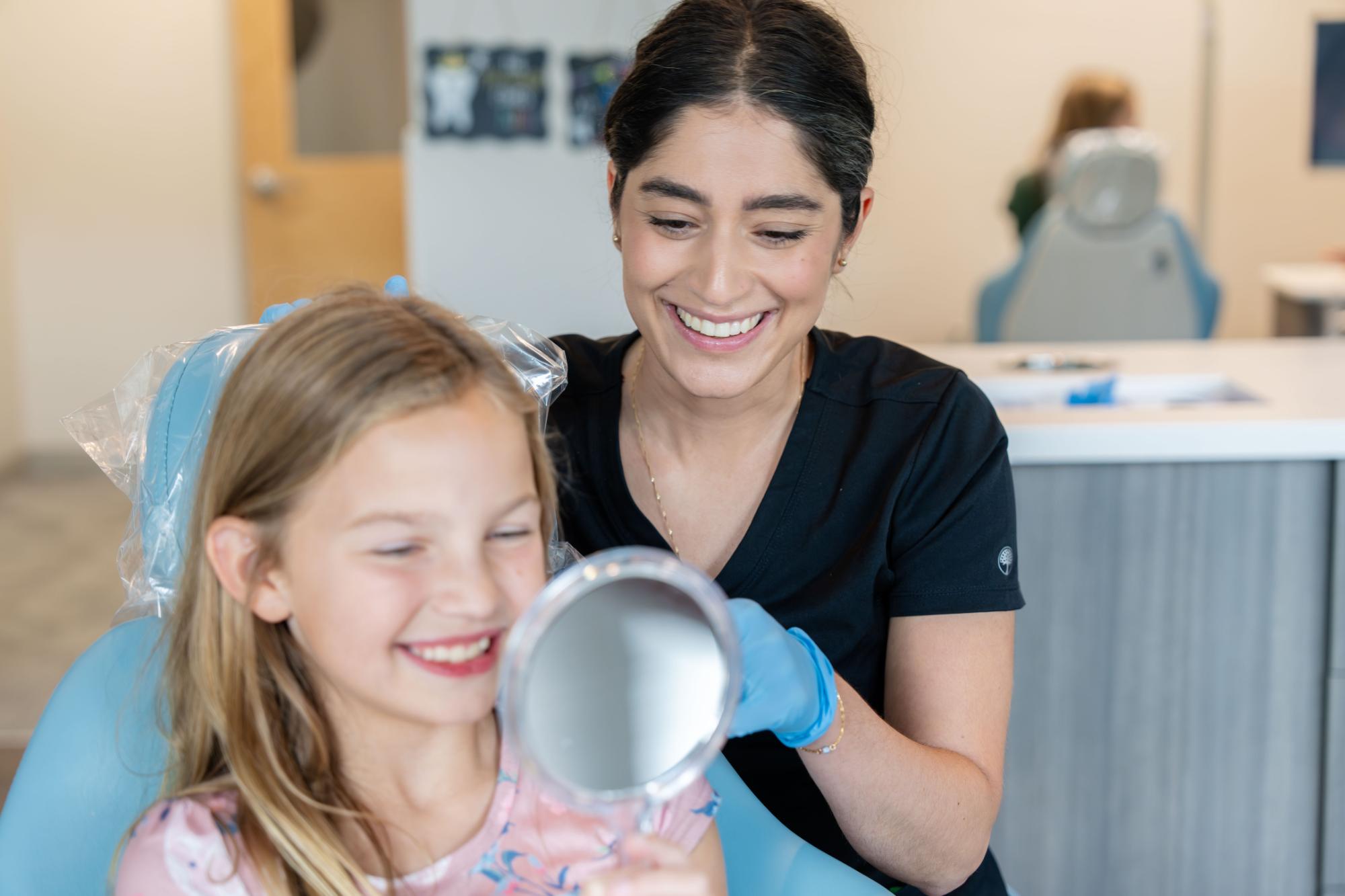
Start Your Southern Smile Today in Cary
Ready to see what's possible? Request your free consult with Southern Smiles and McNutt Orthodontics, or send photos through our virtual, online consult if you'd rather start from home. There's no cost and no obligation, just clear answers from a smile team recognized as a 2025 Diamond Awards Gold Winner and WRAL Voters' Choice Awards Winner.
If you've been typing "orthodontist near me" into your phone from a school pickup line in Cary, here's the short version: we're on Ashville Avenue, the first visit is free, and we'll tell you honestly whether treatment is needed right now or later.
To make your first visit smooth, bring:
- Recent X-rays or records from your general dentist, if available
- A written list of questions, concerns, and goals for your smile
Our practices in Cary and Clayton welcome guests of every age, from infancy through the college years and well beyond, with expert treatments, compassionate care, southern hospitality. We believe in love, and we show it in how we treat every family who walks through our doors. This page focuses on our Cary practice. Our Clayton office is located at 400 Tew Court, Suite 108, Clayton, NC 27520, and can be reached at 919-553-4512.
Call 919-887-6350 or request your first visit online. Find us at 305 Ashville Avenue, Suite H, Cary, NC 27518.